What is Degenerative Spine Surgery?
Degenerative spine surgery includes surgical procedures to treat degenerative spine conditions such as disc disease and spinal stenosis that can result in the gradual deterioration of the spine with pain and loss of function. Degenerative spine surgery may involve removal or replacement of the spinal discs, surgery to relieve nerve compression, or fusion of the vertebrae to improve spine stability.
Anatomy of Spine
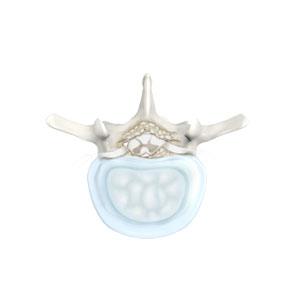
The spine plays an important role in the body providing support, stability, smooth movement, symmetry, and protection to the spinal cord. It consists of 33 vertebral bones that are stacked one on top of the other with cushioning discs lying between adjacent vertebrae. Each vertebra has two portions; the vertebral body towards the front and the vertebral arch towards the back. The intervertebral discs are present between the vertebral bodies providing support and allowing movement of the spine. The vertebral arch consists of pedicles and laminae that form the sides and back of the spinal canal through which the spinal cord passes. Adjacent vertebrae have a pair of joints called facet joints from the vertebral arches. Nerves from the spinal cord pass through spaces between the vertebrae called the neural foramina as they communicate with the rest of the body.
Degenerative spine conditions affect the discs and vertebrae changing the shape of the spine. This can restrict the space for the spinal cord and nerves (spinal stenosis) causing compression of these structures.
Types of Degenerative Spine Surgery
Surgery is suggested only if conservative treatment options fail to relieve the symptoms and the condition is severe. Some of the surgical methods include:
Discectomy: This is a minimally invasive procedure performed to treat a herniated or ruptured disc in which all or part of the damaged disc is completely removed.
Laminectomy: Also known as decompression surgery, this surgery includes removal of a part of the lamina to provide space and reduce pressure on the nerves and the spinal cord.
Foraminotomy: Bone and tissue that obstruct the neural foramen are removed to decompress the spinal nerves.
Corpectomy: This surgery involves removal of all or part of the vertebral body along with adjacent discs to relieve compression on the nerves and spinal cord.
Facetectomy: The facet joints may be trimmed to remove excess bone compressing on the spinal nerves. For severe facet joint arthritis spinal fusion surgery is performed.
Spinal Fusion: Two or more vertebral bones are fused using a bone graft or implant to improve stability and restrict the movement between the bones. This procedure is usually performed following a discectomy or corpectomy.
For more information about our services or to schedule an appointment, call us at or click here to request an appointment online. We'll respond to you as soon as possible.