Scoliosis Treatment in West Palm Beach & Jupiter, FL
Scoliosis is an abnormal curvature of the spine that can affect spinal alignment, posture, balance, and mobility. While some curves cause few or no symptoms, others can contribute to back pain, uneven shoulders or hips, difficulty walking, and degenerative changes over time. For patients in West Palm Beach, Jupiter, Palm Beach County, and throughout South Florida, Dr. Zachary Grabel provides specialized evaluation and treatment for scoliosis and complex spinal deformities.
Scoliosis can have different causes and patterns, so treatment depends on factors such as the location and severity of the curve, symptoms, age, and overall spinal health. Dr. Grabel uses clinical evaluation and advanced imaging to understand each patient's condition and develop an individualized treatment plan that may include observation, nonsurgical care, or spine surgery when appropriate.
What is Scoliosis?
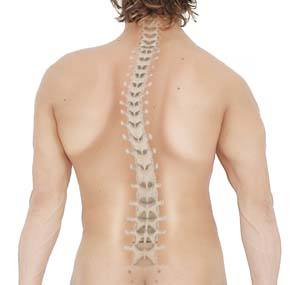
Scoliosis is a condition characterized by the abnormal curvature of the spine that causes a deviation to one side. It causes a physical deformity, making the spine look like the letter “C” or “S” instead of the letter “I”. Scoliosis can affect either the mid or lower back. Scoliosis of the mid back is more common. Scoliosis can occur at any age.
Types of Scoliosis
- Scoliosis can be classified into five categories, depending on the age group affected:
- Congenital scoliosis: Spinal deformity is already present at birth. It occurs due to an abnormality in the formation of fetal ribs and spinal bones within the womb.
- Infantile scoliosis: Affects children below 3 years of age.
- Juvenile scoliosis: Seen in children in the age group of 4 to 10 years.
- Adolescent scoliosis: Affects teenagers and early teens (11 to 18 years)
- Adult scoliosis: Affects individuals above the age of 18 years
Causes of Scoliosis
Scoliosis can be caused by a wide variety of conditions, depending on which it has been categorized into:
- Idiopathic scoliosis: This comprises the group of scoliosis in which the underlying cause has not been identified. There seems to be a genetic predisposition for idiopathic scoliosis as it is more common in people with a family history of scoliosis.
- Functional or nonstructural scoliosis: This refers to a category of scoliosis wherein the spine looks curved even in the absence of any structural defect. This may result from an underlying inflammatory condition or as a compensatory effect to balance the leg inequalities or disproportionate muscle development.
- Neuromuscular scoliosis: This form of scoliosis can occur due to neurological changes that affect the muscles, such as cerebral palsy, muscular dystrophy, spina bifida, and polio.
- Syndrome-associated scoliosis: This refers to scoliosis that develops as a part of a syndrome such as Marfan syndrome and skeletal dysplasia. Marfan syndrome is an inherited connective tissue disorder affecting the ligaments of the spine. It increases the laxity of the ligaments, making them unable to hold the vertebrae firmly in place and thereby leading to scoliosis. Skeletal dysplasia is a growth disorder characterized by dwarfism due to abnormalities in the growth and development of bones and cartilage. This may also cause scoliosis.
- Degenerative scoliosis: This form of scoliosis is associated with degenerative changes in the spine due to the ageing process, such as with osteoporosis, spondylosis or degenerative disc disease.
Some patients may develop a compensatory curve to compensate for the imbalance due to scoliosis. However, this compensatory curve is less severe.
Symptoms of Scoliosis
In the initial stage, idiopathic scoliosis may be asymptomatic. The symptoms of scoliosis depend on the cause, severity, and age. Some of the common symptoms include spinal curvature, abnormal gait, uneven shoulders and hip, difference in leg lengths, more prominent rib or shoulder blade when you bend in the front and back pain. In severe cases, it may also cause breathlessness.
Diagnosis of Scoliosis
The diagnosis of scoliosis involves the review of your family and medical history along with a physical and neurological examination. Physical examination involves palpation of the spine, Adam’s forward bending test and plumb line test. A neurologic examination involves the evaluation of any signs of neurological injury such as numbness, muscle weakness or abnormal reflexes. X-ray of the spine in different positions, such as standing and bending forward, is also ordered. Other specific tests for diagnosing scoliosis include a measure of the degree of spinal curve (scoliometer), degree of vertebral rotation and skeletal maturity. Additional tests to identify the cause of scoliosis may also be conducted.
Treatment for Scoliosis
Non-operative treatment for Scoliosis
The treatment plan is based on the cause of scoliosis, the degree and position of the spinal curve and your age. The non-operative treatment approach of scoliosis includes:
- Observation: No treatment is required for a spinal curve below 20 degrees. However, you are advised regular follow up visits to carefully monitored for the progression of the curve.
- Back bracing: A back brace may be recommended in children with a curve between 20-40 degrees to stop the progression of scoliosis and prevent surgery. Bracing is not effective for congenital or neuromuscular scoliosis.
Surgery for Scoliosis
Surgery is recommended only in individuals with a severe curve, which may affect other vital functions of the body or those with a high progression rate and surgery cannot wait till the skeletal maturity is reached. Surgery for scoliosis aims at rectifying the curve with metal rods, screws, and hooks to stabilize the spine. An open or minimally invasive approach can be used for surgery.
Why Choose Dr. Grabel for Scoliosis
Dr. Zachary Grabel is a board-certified, fellowship-trained spine surgeon providing specialized care in West Palm Beach and Jupiter, Florida. He completed a combined orthopedic and neurosurgical spine fellowship at Cleveland Clinic, giving him advanced training in the evaluation and treatment of spinal deformities and conditions affecting the cervical, thoracic, and lumbar spine. His clinical expertise includes scoliosis, spinal deformity, degenerative spine conditions, and complex spine disorders.
Dr. Grabel takes a comprehensive approach to scoliosis treatment, considering the severity and location of the spinal curve, symptoms, spinal alignment, neurological findings, and each patient's individual goals. When surgery is appropriate, treatment may involve spinal deformity correction, spinal fusion, minimally invasive techniques, or other advanced procedures selected according to the patient's condition. His affiliation with Hospital for Special Surgery (HSS) and active involvement in spine research further support an evidence-informed approach to complex spinal care.
Scoliosis FAQs
FAQs
What is scoliosis?
Scoliosis is an abnormal sideways curvature of the spine. Instead of following a relatively straight alignment, the spine develops a curve that may resemble a "C" or "S." Scoliosis can develop during childhood or adolescence, or it may develop or progress during adulthood because of degenerative changes.
What causes scoliosis?
Some forms of scoliosis have an identifiable cause, while others are considered idiopathic, meaning the specific cause is not known. Scoliosis can also be associated with congenital spinal abnormalities, neuromuscular conditions, syndromes, or age-related degenerative changes.
What are the symptoms of scoliosis?
Mild scoliosis may not cause noticeable symptoms. Depending on the severity and cause, symptoms may include an uneven appearance of the shoulders or hips, abnormal spinal alignment, back pain, changes in posture or gait, and difficulty with certain movements. More severe curves may affect overall physical function.
How is scoliosis diagnosed?
Diagnosis generally begins with a medical history and physical examination. Your physician may evaluate spinal alignment, posture, gait, shoulder and hip symmetry, and neurological function. Standing spinal X-rays and other imaging studies can help determine the location and severity of the curve and guide treatment planning.
Can scoliosis be treated without surgery?
Some patients can be managed without surgery, depending on their age, symptoms, curve severity, and likelihood of progression. Observation, physical therapy, activity modification, and other nonsurgical approaches may be appropriate for selected patients. Treatment should be individualized based on the type and severity of scoliosis.
When is scoliosis surgery recommended?
Surgery may be considered for patients with severe or progressive spinal deformity, significant symptoms, or spinal imbalance that cannot be adequately managed with nonsurgical treatment. The specific surgical approach depends on the patient's anatomy, curve pattern, symptoms, and overall health.
Expert Scoliosis Care in West Palm Beach & Jupiter, FL
Living with scoliosis can affect posture, mobility, comfort, and quality of life, particularly when the spinal curve progresses or is associated with degenerative changes. Dr. Zachary Grabel provides specialized scoliosis and spinal deformity care for patients in West Palm Beach, Jupiter, Palm Beach County, and throughout South Florida.
Schedule a consultation with Dr. Grabel to discuss your scoliosis, imaging findings, symptoms, and treatment options. Whether you need ongoing monitoring and nonsurgical care or are considering advanced spinal deformity surgery, a comprehensive evaluation can help determine the most appropriate approach for your spine.
For more information about our services or to schedule an appointment, call us at or click here to request an appointment online. We'll respond to you as soon as possible.