Spinal Stenosis Treatment in West Palm Beach & Jupiter, FL
Spinal stenosis occurs when narrowing within the spinal canal or the openings where spinal nerves exit places pressure on the spinal cord or nerves. It can cause back or neck pain, numbness, weakness, difficulty walking, and pain that travels into the arms or legs. For patients in West Palm Beach, Jupiter, Palm Beach County, and throughout South Florida, Dr. Zachary Grabel provides specialized evaluation and treatment for spinal stenosis and other degenerative spine conditions at world-class facilities of HSS.
Because spinal stenosis can have different causes and affect different areas of the spine, treatment is individualized. Dr. Grabel evaluates symptoms, neurological function, and diagnostic imaging to determine whether conservative care, spinal injections, or surgery may be appropriate.
What is Spinal Stenosis?
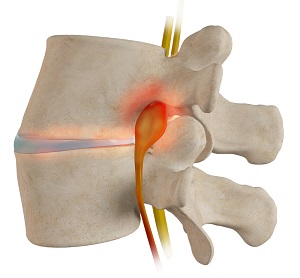
Spinal stenosis is a condition caused by the vertebral column constricting and exerting pressure on the spinal cord or neural foramen (a bony tunnel through which a nerve exits the spinal cord).
Spinal stenosis usually affects the cervical and lumbar spine. If the spinal canal is narrowed, the disorder is called cervical/lumbar central stenosis. If the foramen is narrowed, it is referred to as cervical/lumbar foraminal stenosis.
What are the Causes of Spinal Stenosis?
The possible causes for spinal stenosis include:
- Age: As a result of ageing, wear and tear on the spine cause narrowing of the bone.
- Inflammation of the bone joint such as in osteoarthritis and rheumatoid arthritis may affect the spine.
- Heredity: Some individuals are born with a narrowing of the spinal canal (congenital). Structural malformations of the involved backbone can cause narrowing of the spinal canal.
- Spondylolisthesis is a condition in which one vertebra glides forward over the one below causing narrowing of the spinal canal.
- Tumours of the spine.
- Injury or trauma may either dislodge the spinal canal or cause fractures that produce bone pieces that may penetrate the canal. At times, injury compresses the nerve roots that can lead to severe pain.
What are the Symptoms of Spinal Stenosis?
Spinal stenosis may result in lower back pain and pain down the legs. The common symptoms include:
- Numbness
- Weakness
- Pain with prolonged sitting or standing
- Gait disturbances
These symptoms usually gradually progress and worsen over time.
How is Spinal Stenosis Diagnosed?
Diagnosis of spinal stenosis is based on the following:
- Medical history: Your physician will gather a detailed history of your symptoms and any treatment received.
- Complete physical examination: A thorough examination of your body movements is performed by your doctor. Examination of the back is performed to assess for flexibility, range of motion, and the presence of certain signs that suggest nerve roots are being affected by degenerative changes in your back. This is done by testing the strength of your muscles and your reflexes to make sure that they are still working normally.
- Investigations: Spine X-rays are radiological tests carried out to rule out other causes such as a tumour or infection. Sometimes, a CT scan or MRI is ordered to get a more detailed examination of the bone or soft tissues. Rarely, Myelography is performed which involves the injection of contrast material into the spine followed by X-rays to detect any pathology of the spine. These tests help in the diagnosis and treatment plan.
How is Spinal Stenosis Treated?
Back pain is treated either surgically or non-surgically depending upon the severity and duration of pain or associated symptoms. The non-surgical treatment options include:
- Your doctor may prescribe pain medications and muscle relaxants to relieve pain and inflammation.
- Rest and restriction of activities that exacerbate back pain.
- Cold/hot packs to decrease pain due to muscle strains and spasms.
- Start physical therapy as recommended by your doctor to stretch and strengthen the muscles.
- Acupuncture treatment for chronic low back pain.
Surgery is indicated only if the pain fails to resolve with these treatments over a significant period. Surgery is carried out to ease pain by relieving pressure on affected nerves. Decompression of the spinal cord accompanied by a discectomy, or an anterior cervical discectomy and fusion will be performed to remove the affected disc and fuse the associated vertebrae to stabilize the spine in that area. Complications of spinal surgery can include excessive bleeding, infection, ongoing pain, nerve damage, or need for additional surgery.
Why Choose Dr. Grabel for Spinal Stenosis
Dr. Zachary Grabel is a board-certified, fellowship-trained spine surgeon serving patients in West Palm Beach and Jupiter, Florida. He completed a combined orthopedic and neurosurgical spine fellowship at Cleveland Clinic, giving him advanced training in treating conditions affecting the cervical, thoracic, and lumbar spine. His clinical experience includes spinal stenosis, myelopathy, radiculopathy, herniated discs, and other degenerative spine disorders.
Dr. Grabel takes a comprehensive approach to spinal stenosis, considering the severity and location of narrowing, neurological symptoms, imaging findings, and each patient's individual goals. When nonsurgical treatment does not provide adequate relief, he offers advanced surgical options, including decompression procedures, minimally invasive spine surgery, and fusion when appropriate. His affiliation with Hospital for Special Surgery (HSS) and ongoing spine research further support an evidence-informed approach to treatment.
Spinal Stenosis FAQs
FAQs
What is spinal stenosis?
Spinal stenosis is a narrowing of the spinal canal or the openings through which spinal nerves exit the spine. This narrowing can place pressure on the spinal cord or nerves and may cause pain, numbness, weakness, or problems with walking.
What causes spinal stenosis?
Spinal stenosis is commonly associated with age-related degenerative changes, including arthritis and changes to the spinal discs and joints. Other causes may include congenital narrowing, spondylolisthesis, spinal injuries, tumors, and certain structural conditions.
What are the symptoms of spinal stenosis?
Symptoms depend on where the stenosis occurs. Lumbar spinal stenosis may cause lower back pain, leg pain, numbness, weakness, and difficulty walking or standing for extended periods. Cervical stenosis can cause neck pain and neurological symptoms affecting the arms, hands, legs, or balance.
How is spinal stenosis diagnosed?
A diagnosis typically begins with a review of your symptoms and medical history followed by a physical and neurological examination. Imaging such as X-rays, CT scans, or MRI may be used to evaluate the spinal canal, vertebrae, discs, nerves, and other structures.
Can spinal stenosis be treated without surgery?
Yes. Depending on the severity of symptoms, treatment may include activity modification, medications, physical therapy, and other nonsurgical approaches. The goal is to reduce symptoms and improve mobility while addressing the underlying cause.
When is surgery needed for spinal stenosis?
Surgery may be considered when symptoms remain significant despite appropriate nonsurgical treatment or when spinal stenosis causes substantial nerve or spinal cord compression. Decompression surgery may be used to create more space for affected nerves or the spinal cord. Fusion may be recommended in selected cases when spinal stability also needs to be addressed.
Expert Spinal Stenosis Care in West Palm Beach & Jupiter, FL
Persistent back or neck pain, numbness, weakness, or difficulty walking may be signs of spinal stenosis and should be properly evaluated. Dr. Zachary Grabel provides specialized spine care for patients in West Palm Beach, Jupiter, Palm Beach County, and throughout South Florida, offering individualized treatment based on each patient's condition and goals.
Schedule a consultation with Dr. Grabel to discuss your spinal stenosis symptoms, diagnostic findings, and treatment options. Whether you may benefit from conservative care or require advanced spine surgery, a comprehensive evaluation can help determine the most appropriate path forward.
For more information about our services or to schedule an appointment, call us at or click here to request an appointment online. We'll respond to you as soon as possible.