
Expert Lumbar Laminectomy in West Palm Beach & Jupiter, FL
Lumbar laminectomy, also called lumbar decompression surgery, is designed to relieve pressure on the spinal nerves in the lower back caused by conditions such as spinal stenosis, bone spurs, herniated discs, or other structural problems. For patients in West Palm Beach, Jupiter, Palm Beach County, and throughout South Florida, Dr. Grabel provides individualized spine care focused on identifying the source of nerve compression and developing an appropriate treatment plan. When surgery is recommended, the goal is to decompress the affected nerves while supporting spinal stability and recovery.
What is Lumbar laminectomy?
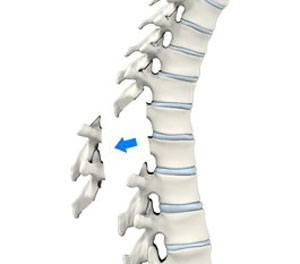
Lumbar laminectomy is a spinal surgery to relieve excess pressure on the spinal cord or nerves within the spinal canal in the lumbar or lower back region. The pressure may be caused by bony overgrowths, herniated discs, injury, tumors, or narrowing of the spinal canal resulting in painful symptoms affecting a person’s ability to perform normal day to day activities. The purpose of a lumbar laminectomy is to remove the lamina or roof of the vertebra to provide enough space for the spinal cord or nerves to exit the spinal canal without pressure. Lumbar laminectomy is also known as decompression surgery.
Anatomy of the Lumbar Spine
The spine consists of 33 vertebral bones stacked one on top of the other, with cushioning discs present between each vertebra. The lumbar spine in the lower back is composed of 5 vertebrae numbered L1–L5. Towards the front of each vertebra is a cylindrical block of bone called the vertebral body. The spongy vertebral discs are present between the vertebral bodies providing support and enabling movement. Damage or degeneration of the vertebral bodies or discs can lead to nerve compression causing pain, weakness, or numbness.
Indications
Spinal stenosis is one of the major indications for undergoing a lumbar laminectomy. Spinal Stenosis involves the narrowing of the spinal canal due to arthritic changes in the facet joints and intervertebral discs. This causes enlargement of the joint leading to pressure on the spinal nerves. Symptoms of spinal stenosis include back pain or radiating pain into the hips, buttocks or legs, numbness or muscle weakness, and tingling sensations in the back and lower extremities.
Causes of spinal stenosis include:
- Degenerative spinal conditions such as herniated discs.
- Spinal fractures.
- Tumours.
- Infection.
Why Choose Dr. Grabel for Lumbar Laminectomy?
When persistent lower back or leg symptoms interfere with daily activities, an experienced spine specialist can help determine whether lumbar decompression is appropriate. Dr. Grabel offers:
- Specialized spine care: Comprehensive evaluation of lumbar spinal stenosis and other conditions that can cause nerve compression.
- Personalized treatment planning: Recommendations are based on your symptoms, physical examination, medical history, and diagnostic imaging.
- Precise decompression: Lumbar laminectomy focuses on removing the portion of bone or other tissue contributing to pressure on the spinal nerves.
- Consideration of spinal stability: When instability or another structural problem is present, additional procedures such as spinal fusion may be considered when appropriate.
- Comprehensive recovery planning: Postoperative care and activity recommendations are tailored to your healing progress and individual needs.
Lumbar Laminectomy FAQs
FAQs
What is lumbar laminectomy used to treat?
Lumbar laminectomy is commonly used to relieve nerve compression associated with lumbar spinal stenosis. It may also be considered when bone spurs, herniated discs, fractures, tumors, or other conditions contribute to narrowing of the spinal canal and cause symptoms.
What symptoms may indicate the need for lumbar laminectomy?
Symptoms can include lower back pain, pain that radiates into the hips, buttocks, or legs, numbness, tingling, or muscle weakness. Your doctor will determine whether these symptoms are related to nerve compression and whether surgery is appropriate.
Is lumbar laminectomy always performed with spinal fusion?
No. Lumbar laminectomy and spinal fusion are separate procedures. Fusion may be recommended when spinal instability, slipped vertebrae, deformity, or another condition means additional stabilization is needed. Your surgeon will determine whether fusion is appropriate based on your individual condition.
How long does recovery take after lumbar laminectomy?
Recovery varies depending on the extent of surgery, your overall health, and the condition being treated. Patients are generally encouraged to gradually increase activity while avoiding strenuous activity, heavy lifting, and excessive twisting during the initial healing period. Physical therapy may be incorporated into the recovery plan.
When can I return to normal activities after lumbar laminectomy?
Your timeline will depend on your healing progress and the type of activities you want to resume. Many patients gradually increase their daily activities over several weeks, while strenuous exercise and sports may require a longer recovery period. Follow your surgeon's specific recommendations.
Schedule a Lumbar Laminectomy Consultation in West Palm Beach & Jupiter, FL
Persistent back pain, leg pain, numbness, or weakness caused by lumbar nerve compression can make walking, working, exercising, and performing everyday activities difficult. Dr. Grabel provides personalized evaluation and surgical care for patients considering lumbar laminectomy in West Palm Beach, Jupiter, Palm Beach County, and throughout South Florida.
If conservative treatments have not provided adequate relief, schedule a consultation to discuss your symptoms, imaging results, and available treatment options. Dr. Grabel can help determine whether lumbar laminectomy or another approach to lumbar spine decompression may be appropriate for your condition.
For more information about our services or to schedule an appointment, call us at or click here to request an appointment online. We'll respond to you as soon as possible.