
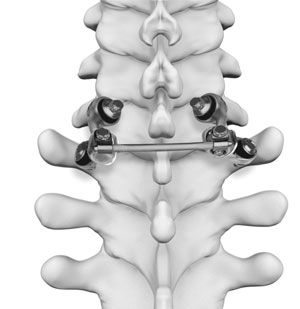
What is Motion Preservation Surgery?
Motion preservation surgery or Motion Preservation Spine Surgery (MPSS) is a relatively new surgical method employed as an alternative to standard spinal surgeries, such as spinal fusion surgery in select patients to treat spinal conditions of the cervical and lumbar area and restore normal motion of the spine.
Spinal stenosis is one of the disorders that cause severe spinal pain. The common treatment employed for spinal stenosis is conventional spinal fusion surgery. This involves the fusion of 2 vertebrae permanently. Although the fusion surgery is effective in relieving pain, it ends up restricting normal motion of the spine and may also increase the risk of developing adjacent-level degenerative disc disease, which may warrant additional surgery. Motion preservation surgery serves as an effective alternative to spinal fusion surgery as it not only alleviates pain and restores normal motion of the joints, but also overcomes limitations associated with traditional spinal fusion.
Motion preservation spine surgery refers to a variety of newer surgical techniques that aim at preservation of the spine movement by replicating normal or near-normal biomechanics by utilizing a wide variety of motion preservation devices. These devices may include:
- Interspinous process spacers (such as the X-STOP) that open the foramen and central canal
- Posterior dynamic stabilization devices (such as cords, screws, rods, and/or spacers) that enable controlled or better motion of the spine
- Facet replacement or total part replacement devices that can replace the facet joints or all of the parts in the back of the spine with the aim of controlling or limiting motion.
Indications for Motion Preservation Surgery
Motion preservation spine surgery may be recommended as an alternative treatment for various spine disorders, including:
- Spinal stenosis
- Sciatic nerve pain
- Spondylosis
- Spondylolisthesis
- Pseudoarthrosis
- Nerve damage
- Scoliosis
- Kyphosis
- Degenerative disc disease
- Compression fractures in the spine
Benefits of Motion Preservation Surgery
Some of the benefits of motion preservation surgery include:
- Better spinal movement and flexibility
- Minimal surgical blood loss
- Minimal pain
- Faster recovery
- Short-term rehabilitation
- Reduced stress on the adjacent discs, minimizing the chances of a second surgery
For more information about our services or to schedule an appointment, call us at or click here to request an appointment online. We'll respond to you as soon as possible.