
Posterior Lumbar Interbody Fusion in West Palm Beach & Jupiter, FL
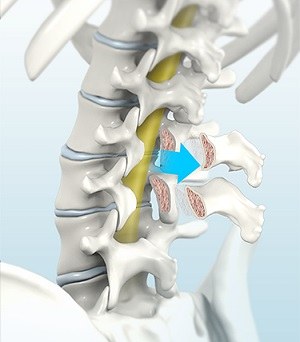
If you are experiencing persistent lower back pain, leg pain, numbness, or weakness caused by spinal instability or other lumbar spine conditions, posterior lumbar interbody fusion (PLIF) may be an appropriate treatment option. Dr. Grabel provides comprehensive spine care for patients in West Palm Beach, Jupiter, Palm Beach County, and throughout South Florida, using advanced surgical techniques to address complex lumbar spine conditions. PLIF is a spinal fusion procedure performed through the back that removes a damaged disc and places bone graft or an interbody implant between the affected vertebrae to promote fusion and improve spinal stability. A thorough evaluation can help determine whether PLIF or another surgical or nonsurgical treatment is best suited to your condition.
What is Lumbar Interbody Fusion?
Spinal fusion is a surgical technique that joins two or more vertebrae in the spine to minimize the pain caused by the movement of these vertebrae. The fusion of vertebrae in the lumbar portion of the spine is called lumbar fusion. This surgery can be performed as an open or minimally invasive procedure.
Different Techniques of Lumbar Interbody Fusion
Several techniques are practiced for minimally invasive surgery, which includes:
- Anterior lumbar interbody fusion (ALIF): Accessing the spine from the front
- Posterior lumbar interbody fusion (PLIF): Approaching the spine from the back
- Transforaminal lumbar interbody fusion (TLIF): Approaching the spine from the side
Indications of Posterior Lumbar Interbody Fusion
A minimally invasive lumbar fusion technique is used to treat:
- Fractured vertebra
- Lumbar instability
- Scoliosis or kyphosis
- Cervical disc hernias
- Tumors
- Back pain
- Failed back syndrome
- Spondylolisthesis
What is Posterior Lumbar Interbody Fusion?
In PLIF, several 1-2-inch incisions are made on the back, a series of increasingly larger dilators are used to spread the muscles apart and provide access to the spine. The rods and screws are placed through the dilator tubes. In some cases, an operating microscope may be used to provide a better view.
During the surgery, a piece of bone harvested from another part of the body or collected from a bone bank is transplanted between the adjacent vertebrae. As healing occurs, the bone fuses with the spine. This stimulates the growth of a solid mass of bone, which helps in stabilizing the spine. In some cases, metal implants such as rods, hooks, wires, plates or screws are used to hold the vertebra firm until new bone grows between them.
Advantages of Posterior Lumbar Interbody Fusion
The minimally invasive technique of fusion carries many advantages which include:
- Minimal damage to the adjacent tissues
- Reduced postoperative pain
- Reduced hospital stay
- Faster recovery
- Diminished blood loss
Why Choose Dr. Grabel for Posterior Lumbar Interbody Fusion?
Choosing the right spine surgeon is an important step when considering lumbar fusion surgery. Dr. Grabel focuses on individualized treatment planning and advanced surgical techniques to address conditions affecting the lumbar spine.
- Specialized spine care: Dr. Grabel provides evaluation and treatment for a wide range of lumbar spine conditions that may require surgical intervention.
- Individualized treatment planning: Your symptoms, imaging results, medical history, and treatment goals are considered when developing your surgical plan.
- Advanced surgical techniques: When appropriate, minimally invasive approaches may help reduce disruption to surrounding muscles and soft tissues.
- Focus on spinal stability: PLIF is designed to remove a damaged disc, decompress affected nerves when necessary, and stabilize the spine through fusion.
- Comprehensive care: From the initial evaluation through postoperative recovery, your treatment plan is tailored to support healing and a gradual return to daily activities.
- Patient-centered approach: Dr. Grabel takes time to discuss the procedure, expected recovery, potential risks, and available treatment options so you can make an informed decision about your spine care.
Posterior Lumbar Interbody Fusion FAQs
FAQs
What is posterior lumbar interbody fusion?
Posterior lumbar interbody fusion, or PLIF, is a spinal fusion procedure performed through an incision in the back. The damaged intervertebral disc is removed, and bone graft or an interbody implant is placed between adjacent lumbar vertebrae to encourage the bones to fuse and create greater spinal stability.
When is PLIF recommended?
PLIF may be considered for certain conditions that cause persistent pain or spinal instability, including degenerative disc disease, spondylolisthesis, spinal deformity, or other lumbar spine problems that have not improved adequately with conservative treatment. Your surgeon will determine whether fusion is appropriate based on your symptoms and imaging findings.
How is posterior lumbar interbody fusion performed?
During PLIF, the surgeon approaches the lumbar spine through the back, removes the damaged disc, and creates space between the vertebrae for bone graft or an interbody implant. Screws and rods may also be placed to stabilize the spine while fusion occurs.
How long does it take to recover from PLIF?
Recovery varies depending on the number of vertebrae treated, surgical technique, overall health, and other factors. Activity is typically increased gradually after surgery, and physical therapy may be recommended to help restore strength, mobility, and function. Your surgeon will provide individualized instructions regarding work, exercise, lifting, and other activities.
Is minimally invasive PLIF an option?
In appropriate patients, PLIF may be performed using minimally invasive techniques that use smaller incisions and specialized instruments. Whether a minimally invasive approach is appropriate depends on your specific spinal condition, anatomy, and surgical goals.
Schedule a Posterior Lumbar Interbody Fusion Consultation in [Location]
Persistent back or leg pain can interfere with work, exercise, sleep, and everyday activities. If you have been diagnosed with a lumbar spine condition and conservative treatments have not provided sufficient relief, Dr. Grabel can evaluate your condition and discuss whether posterior lumbar interbody fusion or another treatment option may be appropriate.
Patients in Salt Lake City and surrounding communities can receive personalized spine care focused on identifying the source of symptoms and developing an individualized treatment plan. Contact Dr. Grabel today to schedule a consultation and learn more about posterior lumbar interbody fusion and your available treatment options.
For more information about our services or to schedule an appointment, call us at or click here to request an appointment online. We'll respond to you as soon as possible.