Spine Deformity Treatment in West Palm Beach & Jupiter, FL
Spinal deformities can affect the alignment and balance of the spine, sometimes causing back pain, stiffness, fatigue, difficulty standing upright, or limitations in mobility. Conditions such as scoliosis, lordosis, and kyphosis can develop for different reasons and may range from mild changes that require observation to complex deformities requiring specialized treatment. For patients in West Palm Beach, Jupiter, Palm Beach County, and throughout South Florida, Dr. Zachary Grabel provides comprehensive evaluation and treatment for spinal deformities.
Because spinal deformities vary in their cause, severity, location, and effect on spinal balance, treatment needs to be individualized. Dr. Grabel evaluates spinal alignment, symptoms, neurological function, and imaging findings to develop an appropriate treatment plan, which may include nonsurgical management or advanced spinal deformity surgery when indicated.
Spine Anatomy
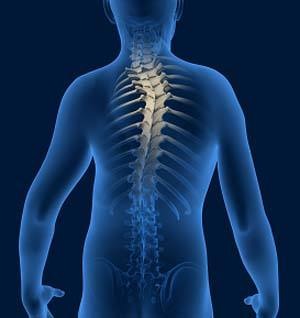
The spine or backbone provides stability to the upper part of our body. It helps to hold the body upright. It consists of a series of irregularly-shaped bones appearing in a straight line. The spine has two gentle curves, when viewed from the side and appears to be straight when viewed from the front. When these curves are exaggerated, pronounced problems can occur such as back pain, breathing difficulties and fatigue.
Causes of Spine Deformities
The conditions causing these symptoms include:
- Scoliosis: It is a condition where the spine or backbone is curved sideways instead of appearing in a straight line. It curves like an “S” or “C” shape. Larger curves cause discomfort while the small curves do not cause any problems.
- The treatment for scoliosis is based on the assessment of the curve, cause, and your age. Mild scoliosis (less than 25°) may not require treatment and will be observed by your physician every 4 to 6 months for any progression in the curve. Bracing may be needed if the curve is more than 30° to help to slow the progression of scoliosis. Surgery is an option for severe scoliosis (curve >40°) to stop the curve from getting worse. The most common surgical procedure is correction, stabilization, and fusion of the curve.
- Lordosis: Lordosis is a condition characterized by the abnormal excessive curvature of the spine, sometimes called swayback.
- The treatment for lordosis depends on the severity of the condition, age and any neurological defects if present. In cases of mild lordosis, no treatment may be initiated and your physician may recommend a ‘wait-and-watch’ approach and observes the curve every 4 to 6 months. If any progression is observed in the curve, treatment may be initiated. Physical therapy (exercise program) may be recommended to increase the range of motion, flexibility, and strength. Analgesics and anti-inflammatory medications may be prescribed to relieve pain and inflammation. Bracing may be necessary to prevent the curve from worsening. Surgery may be indicated for severe lordosis with neurological involvement.
- Kyphosis: Kyphosis is characterized by an abnormal curvature of the spine in the thoracic region that results in a round-back appearance.
- The treatment depends on the cause of the condition and may include bracing, physical therapy, medications, and surgery. Bracing may be necessary to prevent the curve from worsening if the cause of kyphosis is Scheuermann’s disease. Physical therapy (exercise program) may be recommended to increase your range of motion, flexibility, and strength. If caused due to osteoporosis, medications may be prescribed to prevent future compression fractures. Surgery may be recommended if kyphosis is debilitating and painful, and does not respond to conservative treatment methods.
Why Choose Dr. Grabel for Spine Deformities
Dr. Zachary Grabel is a board-certified, fellowship-trained spine surgeon providing specialized care in West Palm Beach and Jupiter, Florida. He completed a combined orthopedic and neurosurgical spine fellowship at Cleveland Clinic, giving him advanced training in treating complex conditions affecting the cervical, thoracic, and lumbar spine. His expertise includes scoliosis, spinal deformity, degenerative spine conditions, and other disorders that can affect spinal alignment and function.
Dr. Grabel takes a comprehensive approach to spinal deformity care, considering the type and severity of the deformity, spinal alignment, neurological symptoms, imaging findings, and each patient's individual goals. When surgery is appropriate, treatment may include spinal deformity correction, spinal fusion, minimally invasive techniques, or other advanced procedures depending on the patient's condition. His affiliation with Hospital for Special Surgery (HSS) and involvement in spine research further support an evidence-informed approach to complex spine care.
Spine Deformities FAQs
FAQs
What are spinal deformities?
Spinal deformities are abnormalities in the alignment or curvature of the spine. Common types include scoliosis, which causes a sideways curvature, kyphosis, which produces an excessive forward curve, and lordosis, which involves an exaggerated inward curvature.
What causes spinal deformities?
Spinal deformities can have many causes, including congenital abnormalities, developmental conditions, degenerative changes, osteoporosis, previous injuries, and certain neuromuscular or skeletal conditions. In some cases, the specific cause may not be identified.
What symptoms can spinal deformities cause?
Symptoms depend on the type and severity of the deformity. Some patients have few or no symptoms, while others may experience back pain, stiffness, fatigue, difficulty maintaining an upright posture, changes in balance or gait, and reduced mobility. More severe deformities may affect overall physical function.
How are spinal deformities diagnosed?
Diagnosis typically includes a medical history and physical examination to evaluate posture, spinal alignment, range of motion, gait, and neurological function. Standing spinal X-rays are commonly used to assess the curvature and alignment of the spine. Additional imaging may be recommended depending on the condition and symptoms.
Can spinal deformities be treated without surgery?
Some spinal deformities can be managed with nonsurgical care, particularly when the deformity is mild or symptoms are manageable. Depending on the condition, treatment may include observation, physical therapy, medications, activity modification, or bracing in appropriate patients.
When is surgery recommended for a spinal deformity?
Surgery may be considered when a deformity is severe or progressive, causes significant pain or functional limitations, produces neurological problems, or cannot be adequately managed with nonsurgical treatment. The appropriate procedure depends on the type and complexity of the deformity and may involve correction, decompression, stabilization, or spinal fusion.
Expert Spine Deformity Care in West Palm Beach & Jupiter, FL
Spinal deformities can affect more than the appearance of the spine. Progressive changes in alignment may contribute to pain, impaired mobility, neurological symptoms, and difficulties with everyday activities. Dr. Zachary Grabel provides specialized spinal deformity care for patients in West Palm Beach, Jupiter, Palm Beach County, and throughout South Florida.
Schedule a consultation with Dr. Grabel to discuss your spinal deformity, symptoms, imaging findings, and treatment options. Whether you need monitoring and nonsurgical care or are considering complex spinal deformity correction, a comprehensive evaluation can help determine the most appropriate approach for your spine.
For more information about our services or to schedule an appointment, call us at or click here to request an appointment online. We'll respond to you as soon as possible.